

Most people walk into a furniture store and instinctively gravitate towards solid wood. It feels heavier, looks richer, and somehow comes across as more “permanent.” Somewhere along the way, we’ve all been conditioned to believe that if it’s solid wood, it must be better.
But after seeing enough homes over the years, that assumption doesn’t always hold up in Indian conditions. I’ve seen solid teak beds develop hairline cracks within a year, and I’ve also seen well-made plywood wardrobes function smoothly for a decade without a single issue. The difference is rarely about which material is superior — it’s about whether the material was right for the way it’s being used.

Understanding the Materials (Without Overcomplicating It)
Solid Wood:
Solid wood is exactly what it sounds like — furniture made from natural timber like teak or sheesham, without layers or composites. Each piece carries its own grain, texture, and slight imperfections, which is what gives it character. When done well, it has a presence that’s hard to replicate, especially in something like modern luxury beds.
But that same “natural” quality is also what makes it unpredictable. Wood reacts to the environment — it expands, contracts, and adjusts. Sometimes subtly, sometimes enough to notice.
Engineered Wood:
Engineered wood is designed to behave. Plywood, MDF, and particle board are manufactured to reduce those natural inconsistencies. They stay more uniform, more stable, and generally easier to manage over time.
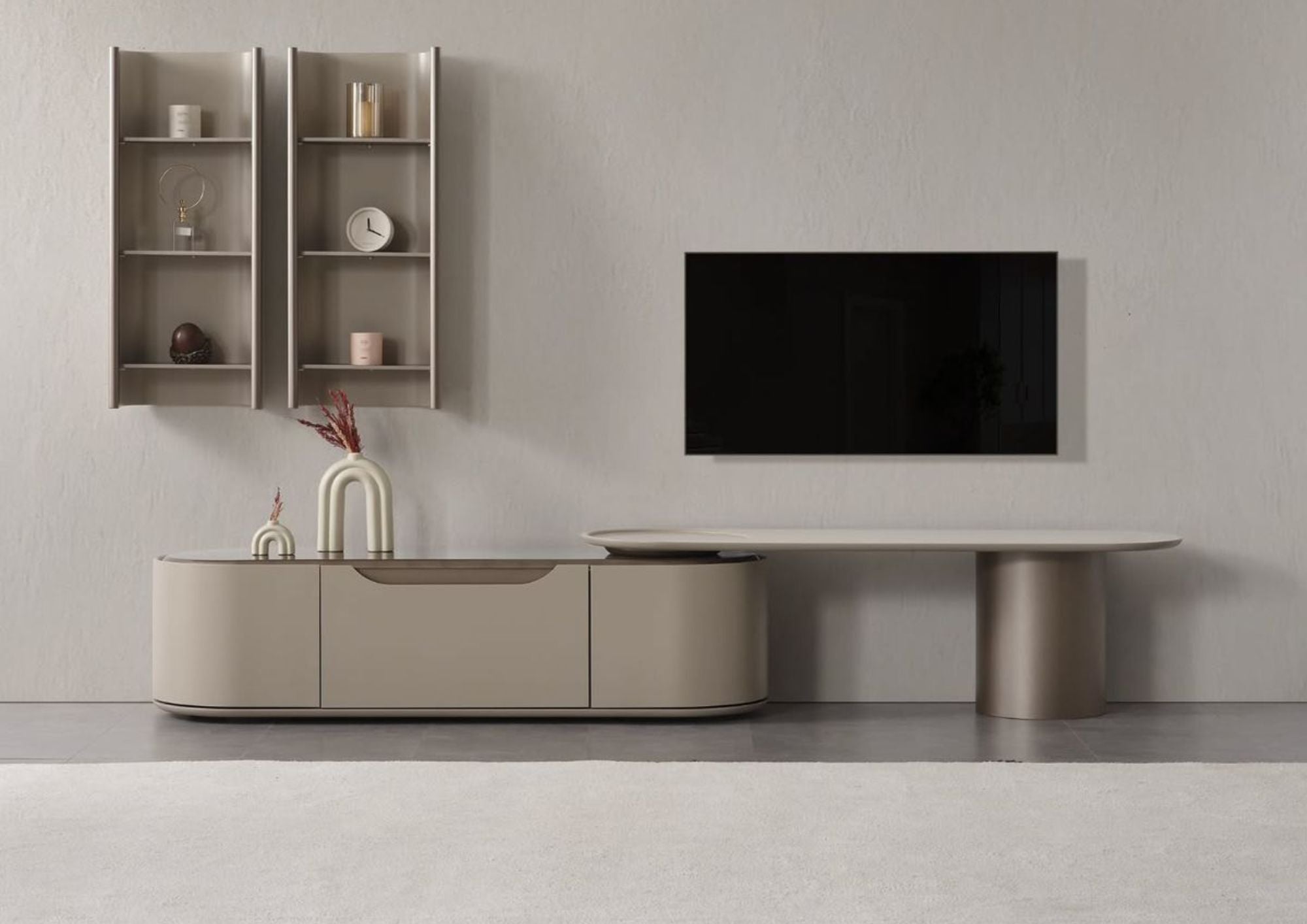
That’s why they’re commonly used in cleaner, more structured pieces like console tables or wardrobes, where alignment and finish matter just as much as strength.
Where Things Actually Go Wrong in Indian Homes?
India isn’t the easiest place for furniture to survive, and that’s something most people underestimate. Humidity alone can change how materials behave, especially in coastal cities. In drier regions, temperature swings do their own damage. Add daily wear, dust, and constant usage, and suddenly the material becomes just one part of the story.
I’ve seen solid wood wardrobes that start jamming slightly during monsoon — nothing dramatic, but enough to affect daily use. At the same time, engineered shutters often continue to function smoothly simply because they’re more stable. That’s usually when it becomes clear that durability isn’t just about strength, but about consistency over time.

The Real Difference Shows Up in Usage, Not Labels:
Where solid wood really makes sense is in pieces that carry weight and remain relatively undisturbed. Beds are a good example. A well-built frame made from solid wood brings structural strength and can last for years if maintained properly.
But when you move to something like wardrobes or storage units, the equation changes. These are used multiple times a day, and here stability matters more than raw strength. Engineered wood, especially good-quality plywood, tends to perform better simply because it doesn’t react as much.
The same applies in the living room. When choosing a modern luxury sofa set or even a recliner sofa set, the internal structure matters far more than whether the outer finish is solid wood. The frame, joinery, and upholstery build are what determine how the sofa feels after a few years of use.

Where People Usually Misjudge:
A lot of buying decisions are still driven by a simple assumption: solid wood is expensive, so it must be better. But price doesn’t guarantee performance.
A poorly seasoned solid wood piece can cause more issues than a well-made engineered one. You may not notice it immediately, but over time — especially with changing seasons — small problems begin to show. On the other hand, a thoughtfully made engineered piece can quietly do its job for years without demanding attention. And in many ways, that’s what good furniture should do.

Maintenance Is Where the Difference Becomes Obvious:
Solid wood requires involvement. It benefits from occasional polishing, some care around moisture, and a bit of attention as it ages. If you’re willing to maintain it, it rewards you over time and develops character.
Engineered wood is more straightforward. It requires less maintenance and stays consistent, but once damaged — especially by water or impact — it’s harder to repair. So the choice also depends on how much effort you’re willing to put into upkeep.

A More Practical Way to Decide:
Instead of asking which material is better, it helps to look at your home realistically. Think about which pieces will be used heavily every day, which ones need to move or open frequently, and which ones are more static. Most well-designed homes today don’t rely on just one material. They use a combination — solid wood where strength and presence matter, and engineered wood where stability and finish are more important. That balance is what actually works.
Over time, it becomes clear that furniture quality isn’t defined by a single material. It’s defined by how well something is made, how appropriately it’s used, and how comfortably it fits into your space. Even the most expensive solid wood piece can feel wrong if it’s fighting the environment or the layout. And engineered pieces, when done right, can feel just as refined and long-lasting.
So whether you’re planning your home or walking through a furniture shop in Surat comparing options, it helps to step back from labels. Focus on how the piece will function in your space. That’s what ultimately decides how long it lasts.

FAQs:
1. Is solid wood always better than engineered wood furniture?
Not always. It depends on how and where the furniture is used. Solid wood offers strength, while engineered wood provides better stability in many cases.
2. Which wood is best for beds in India?
Solid wood like teak or sheesham is ideal for beds due to its strength and durability.
3. Does engineered wood last long in Indian homes?
Yes, especially high-quality plywood. It performs well in varying climates and requires less maintenance.
4. What is the biggest disadvantage of solid wood furniture?
It can expand, contract, or develop cracks if not properly seasoned or maintained.
5. Is plywood better than MDF for furniture?
Yes, plywood is generally stronger and more durable, especially for structural furniture.
6. Can engineered wood furniture look luxurious?
Yes. With the right design and finish, engineered wood can look just as premium as solid wood.
Share:
The Role of keeping unused Space in Making Homes Look More Luxurious
Armchairs in Living Rooms: Why Most Homes Get Them Wrong (And How to Fix It)