
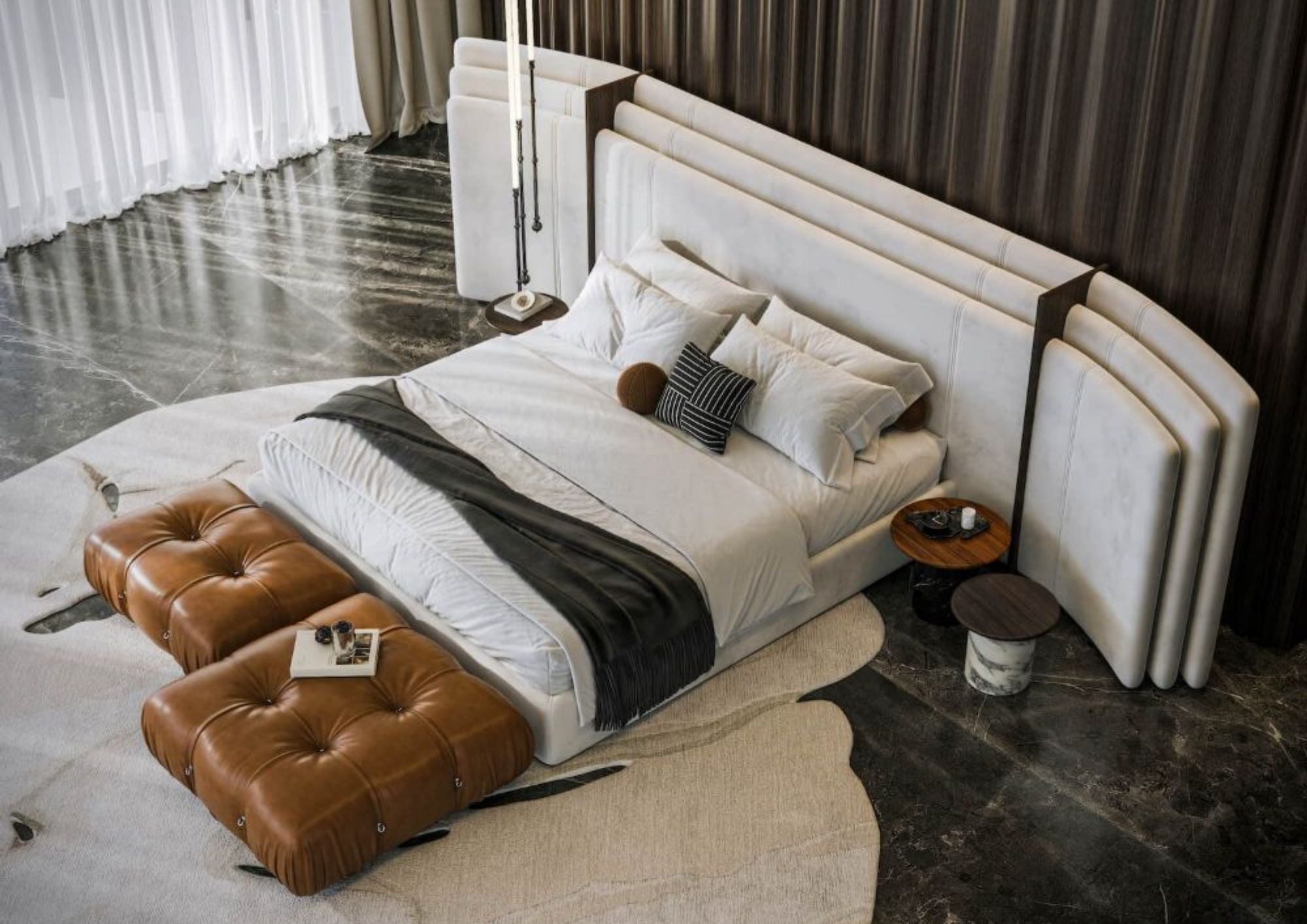
Bedrooms have evolved significantly over the years. They are no longer just places where we sleep at the end of a long day. They have become personal retreats — spaces where we unwind, recharge, read, reflect, and occasionally escape the noise of everyday life.
Yet, while planning a bedroom, many people focus primarily on aesthetics. They think about colors, décor accents, and how the room will look in photographs. What often gets overlooked is a much more important question: How does the room actually make you feel?
A beautiful bedroom is certainly desirable. But a bedroom that genuinely helps you rest, slow down, and feel comfortable every single day is far more valuable. The good news is that creating such a space doesn't necessarily require a larger room or extravagant additions. It often comes down to making thoughtful furniture choices that support the way you live.

Start with the Bed: The True Centre of the Room
No piece of furniture influences the bedroom experience more than the bed. While it may sound obvious, the bed often becomes a compromise between appearance and practicality. A design may look striking in a showroom, but comfort, proportion, and functionality should always come first. Choosing the right modern luxury beds means considering how the piece supports your daily routine rather than simply how it looks.
A few factors worth thinking about include:
- Does the bed size suit the dimensions of the room?
- Is there enough clearance around it for easy movement?
- Does the design align with how you actually use the space?
- Would integrated storage add convenience without overwhelming the room?
The best beds rarely draw attention to themselves. Instead, they quietly contribute to a sense of comfort and ease.

Understanding Space Around the Bed
One of the simplest ways to make a bedroom feel more relaxing is to resist the temptation to fill every available corner.
Unused space often plays an important role in how a room feels. A bedroom where furniture is pushed too close together can create visual and physical tension. On the other hand, allowing room to move comfortably around the bed immediately changes the experience of the space.
Ideally, try to maintain enough circulation around key furniture pieces so daily routines feel effortless. Even in compact bedrooms, thoughtful planning often matters more than square footage.


The Importance of Bedside Tables
Bedside tables are among the most underestimated pieces of bedroom furniture. At first glance, they seem purely functional. A place to keep a lamp, a book, or a glass of water. But over time, they become part of your daily rhythm. They support the quiet moments that frame the day.
A good bedside table should:
- Be proportionate to the height of the bed
- Offer enough surface area without dominating the room
- Provide practical storage if required
- Feel visually connected to the rest of the furniture
Like many successful design choices, their contribution often goes unnoticed precisely because they work so well.

Seating That Encourages You to Slow Down
Not every bedroom has the space for additional seating, but when it does, the impact can be remarkable. A comfortable chair creates opportunities to use the room differently. It encourages reading, reflection, or simply sitting quietly for a few minutes before the day begins.
Some options that work particularly well include:
- Armchairs with supportive cushioning
- Compact lounge chairs
-
Flexible seating such as puffies
The goal isn't to create another activity zone. Instead, it's to introduce moments of pause within the room. A thoughtfully placed chair near a window can completely transform how a bedroom is experienced.

Choosing Furniture That Feels Calm
Bedrooms naturally benefit from furniture that feels understated. This doesn't mean everything has to look identical or minimalist. Rather, it means selecting pieces that contribute to a sense of visual ease.
Some characteristics that often support this include:
- Softer finishes
- Consistent material palettes
- Balanced proportions
- Clean, uncluttered silhouettes
When every piece competes for attention, the room begins to feel busy. Furniture should support rest, not constantly demand it.

Storage That Simplifies Daily Life
Storage has an interesting relationship with relaxation. Too little storage can create clutter. Too much visible storage can make the room feel utilitarian. The ideal balance often lies somewhere in between.
Consider:
- What genuinely needs to be stored in the bedroom?
- Which items should remain easily accessible?
- Can storage be integrated into existing furniture rather than added separately?
Thoughtful storage doesn't simply organize belongings. It reduces visual noise, making it easier to unwind.

The Bedroom as a Personal Space
Bedrooms are among the most personal rooms in any home. Unlike living areas designed for entertaining, bedrooms exist primarily for the people who use them every day. This means furniture choices should reflect individual needs rather than external expectations.
Ask yourself:
- How do I spend time in this room beyond sleeping?
- What routines matter most to me?
- What would make this space feel easier to live in?
These answers often guide better decisions than trends ever could.

Creating Continuity Throughout the Home
A relaxing bedroom doesn't need to feel disconnected from the rest of the house. If your home features premium furniture with a certain design language, the bedroom should reflect that same sense of cohesion. The aim isn't perfect matching. It's consistency in quality, proportion, and thoughtfulness. Whether someone is selecting furniture for an entire home or visiting a furniture shop in Surat to refine a single room, this continuity often contributes to a home feeling complete.

Bedrooms don't need elaborate styling to encourage rest. More often than not, comfort comes from restraint. Choosing furniture that supports daily routines, allowing enough space to move freely, and creating small moments of ease throughout the room. A well-designed bedroom isn't defined by how impressive it looks. It's defined by how naturally it allows you to slow down. Because at the end of a busy day, the rooms we value most are rarely the ones that impress our guests. They're the ones that quietly take care of us.

FAQs:
1. What furniture is essential for a relaxing bedroom?
A comfortable bed, practical bedside tables, adequate storage, and optional seating are the key elements of a relaxing bedroom.
2. How can I make a small bedroom feel more restful?
Focus on proportionate furniture, maintain open circulation space, and avoid overcrowding the room.
3. Is additional seating necessary in a bedroom?
Not always. However, a chair or flexible seating can create a more versatile and relaxing environment if space allows.
4. How important is storage in bedroom design?
Storage is extremely important. Thoughtful storage reduces clutter and contributes to a calmer atmosphere.
5. Should bedroom furniture match exactly?
No. Furniture should feel cohesive in terms of quality and style, but perfect matching isn't necessary.
6. What makes a bedroom truly comfortable?
Comfort comes from a combination of supportive furniture, functional layouts, uncluttered spaces, and design choices that align with your daily routines.

Share:
TV Unit Size & Placement Guide: Viewing Distance, Height & Storage
Round vs Rectangular Dining Tables: Which One Fits Your Home Better?