
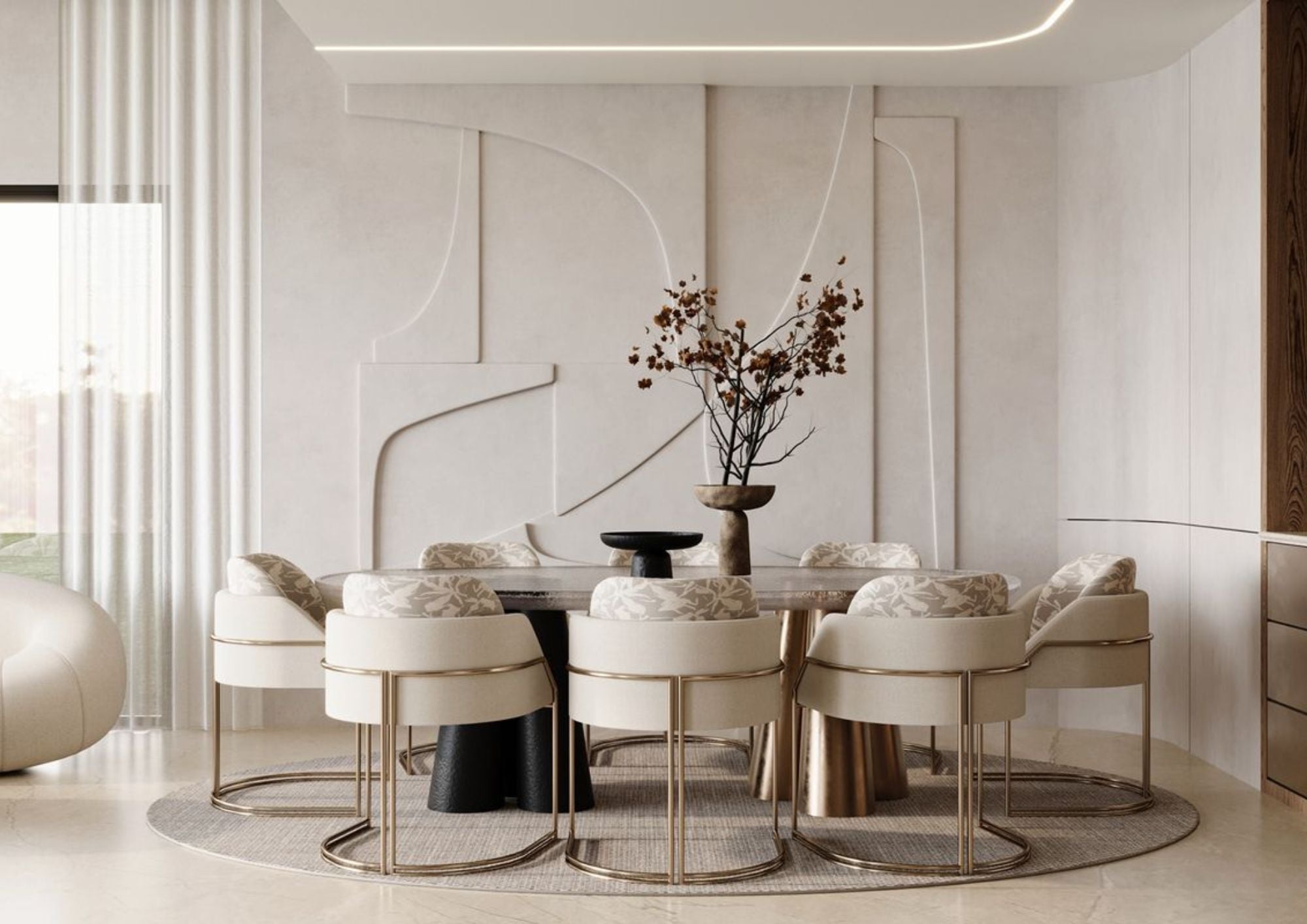
Dining tables usually get all the attention.
People spend time choosing the size, the material, the finish — marble, wood, glass — everything is debated. And then, almost as an afterthought, chairs are picked to “match” the table.
That’s where things quietly go wrong.
Because in daily life, it’s not the table you feel — it’s the chair. And a poorly chosen dining chair can make even a premium dining setup feel uncomfortable within minutes.

Why Dining Chairs Matter More Than You Think ?
A dining chair isn’t just about how it looks next to your table. It decides how long you can comfortably sit, how your back feels after a meal, and even how usable your dining space actually is.
I’ve seen beautifully designed dining areas where people avoid sitting for long simply because the chairs feel slightly off. Not terrible — just uncomfortable enough to notice. And that’s usually due to small miscalculations in height, spacing, or back support.
The tricky part is that these issues don’t show up in a showroom. You only realise them after a few weeks of daily use.

The Height Equation Most People Ignore:
This is the most common mistake, and it’s surprisingly basic.
Your chair height and table height need to work together — not independently.
As a simple rule:
- The seat height of a dining chair should be around 17–19 inches
- The dining table height is usually around 28–30 inches
- This creates a comfortable gap of about 10–12 inches between the seat and tabletop
Anything outside this range starts feeling awkward. Too high, and your knees feel cramped. Too low, and you end up leaning forward unnaturally.

If you’re selecting dining chairs online , this is something you have to consciously check — it’s not always obvious from design images.

Back Support: Where Comfort Actually Comes From:
Seat height gets discussed occasionally. Back support almost never does.
And yet, that’s what defines whether a chair feels comfortable after 5 minutes or 30.
Straight-back chairs may look clean and modern, but without a slight ergonomic angle, they tend to feel rigid over time. On the other hand, overly reclined chairs might look inviting but don’t work well for dining posture.
The balance is subtle:
- Slight backward tilt (not flat, not too angled)
- Enough height to support your mid-back
- A structure that doesn’t force you to adjust constantly
This is especially important in homes where dining spaces double up for longer conversations or even work-from-home setups occasionally.

Spacing Between Chairs: The Overlooked Detail
Most dining areas feel cramped not because of the table size, but because of how chairs are spaced.
Ideally:
- Each person needs about 24 inches of width
- There should be enough gap to pull the chair back comfortably without hitting a wall or another chair

In compact Indian homes, this becomes even more critical. Trying to fit a 6-seater into a space meant for four might look impressive initially, but daily usage becomes inconvenient.
Chairs start touching each other, movement feels restricted, and the space loses ease.
This is where planning matters more than capacity.
The Visual Balance Problem:
Another subtle issue is proportion.
Heavy dining tables paired with extremely light chairs often feel visually disconnected.
Similarly, bulky chairs around a minimal table can make the entire setup feel crowded.
Dining chairs should complement — not compete with — the table.
If you’re working with a strong centerpiece like a statement dining table, your chairs should support that presence, not try to overpower it.
This is where choosing the right combination becomes part of overall luxury furniture planning, not just an isolated decision.

Material Choices: Looks vs Practicality:
This is where a lot of people lean purely towards aesthetics.
Upholstered chairs look comfortable — and they are. But they also require more maintenance, especially in homes with frequent use. Fabric can attract dust, stains, and wear over time.
Wooden or semi-upholstered chairs are easier to maintain, but the comfort level depends heavily on design and cushioning.
There’s no universal “better” option here. It depends on how the space is used.
If your dining area is used daily, practicality matters just as much as appearance. If it’s more occasional, you have more flexibility to prioritise design.

Where Most Buying Decisions Go Wrong
The most common pattern is this:
People finalise the dining table first — often a large, visually strong piece — and then try to “fit” chairs around it later.
That approach almost always leads to compromises.
A better way is to think of the dining setup as a single unit:
- Table size
- Chair dimensions
- Spacing around the setup All three need to work together.
This becomes even more relevant if you’re exploring custom furniture or visiting a furniture shop in Surat, where you have the flexibility to get proportions right instead of adjusting later.

A Practical Way to Get It Right
Before finalising anything, it helps to step back and visualise actual usage.
Ask yourself:
- How many people will realistically use this daily?
- How much movement space do you need around the table?
- Will the chairs be moved frequently or stay mostly fixed?
These small questions prevent bigger mistakes.
Because once the furniture is in place, fixing spacing issues isn’t easy.
Dining chairs are one of those decisions that seem small while buying but become very noticeable in daily life.
When done right, they disappear into the experience — comfortable, functional, and proportionate. When done wrong, they keep reminding you of the mistake in subtle ways.
Good furniture isn’t just about how it looks on day one. It’s about how it feels after months of use.
So the next time you’re planning your dining space, don’t treat chairs as an add-on. They’re half the experience.

FAQs:
1. What is the ideal height for dining chairs?
Dining chair seat height should typically be between 17–19 inches, paired with a table height of 28–30 inches for comfortable seating.
2. How much space should be between dining chairs?
Each person should have at least 24 inches of width to sit comfortably without feeling cramped.
3. Are upholstered dining chairs better than wooden ones?
Upholstered chairs offer more comfort but require higher maintenance. Wooden chairs are easier to maintain but depend on design for comfort.
4. Why do dining chairs feel uncomfortable after some time?
Usually due to incorrect seat height, poor back support, or improper spacing around the table.
5. How do I choose dining chairs for a small dining area?
Opt for fewer chairs with proper spacing instead of overcrowding. Compact designs with correct proportions work best.
6. Can dining chairs impact the overall look of the room?
Yes. Dining chairs affect both visual balance and usability. The right proportion and design can elevate the entire dining setup.
Share:
Armchairs in Living Rooms: Why Most Homes Get Them Wrong (And How to Fix It)
The Secret to a Well-Balanced Living Room? It Starts with Your Coffee Table