
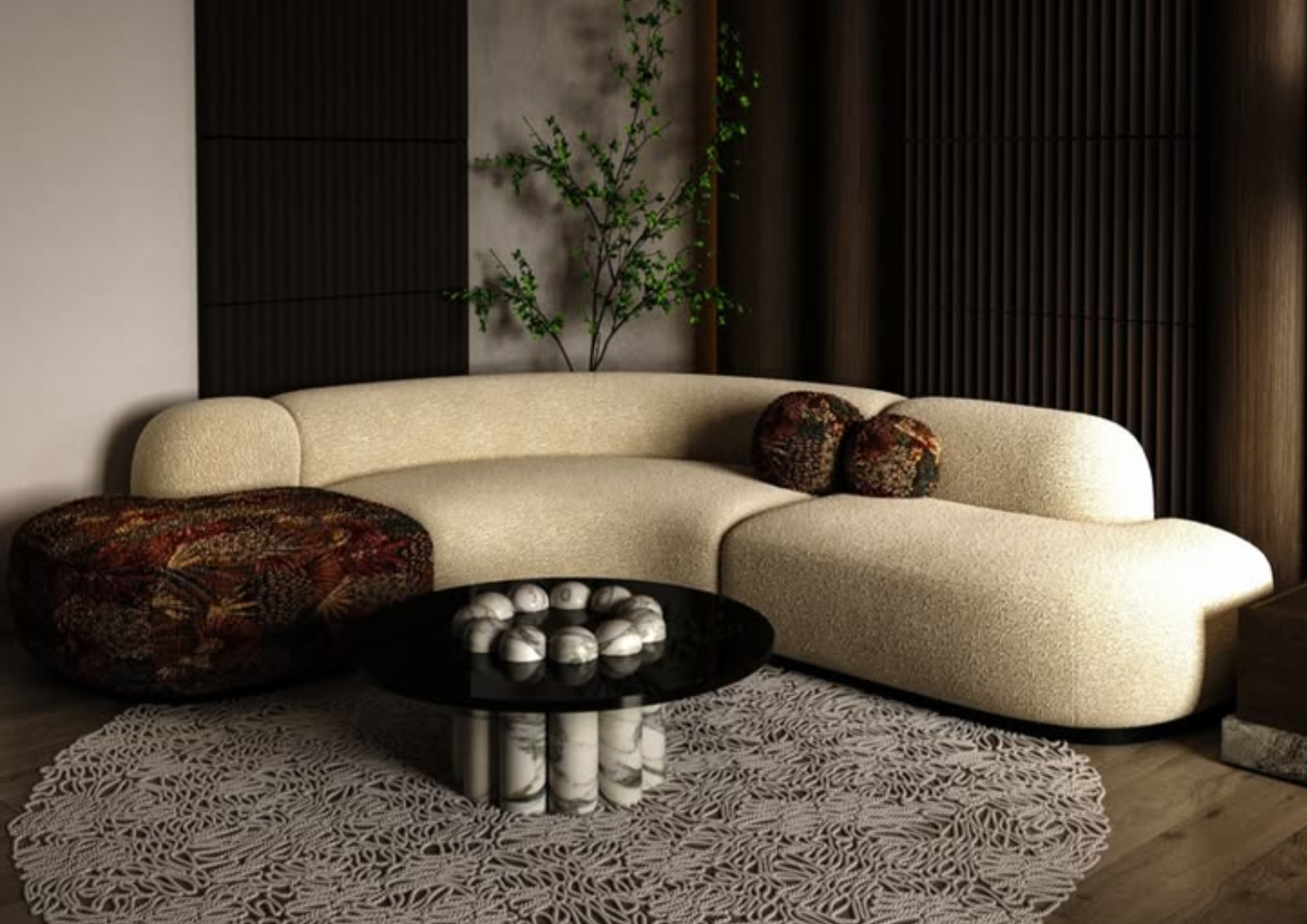
Have you ever walked into someone's home and immediately felt at ease? Nothing about it may have seemed extraordinary. There wasn't necessarily expensive décor, dramatic lighting, or elaborate styling. Yet, within moments, the space felt welcoming. You naturally knew where to sit. Conversations flowed easily. The room simply felt right.
Then there are homes that are equally beautiful, perhaps even more expensive, but somehow feel less comfortable. You admire them, but you don't quite settle into them. The difference often has less to do with the furniture itself and more to do with where that furniture has been placed.
Furniture placement influences how we experience a space emotionally and physically. It affects movement, interaction, comfort, and even our perception of how welcoming a home feels. While people often focus on selecting the right pieces, understanding how those pieces relate to one another can transform the way a home functions.

Why Furniture Placement Matters
Furniture isn't just about filling a room. Every piece influences how people move, where they pause, how they interact, and whether a space feels inviting or restrictive. The arrangement creates an invisible framework that shapes our behaviour without us consciously noticing it.
When placement works well:
- Movement feels effortless.
- Conversations happen naturally.
- Rooms feel balanced.
- People instinctively relax.
When it doesn't, the opposite tends to happen. The room may still look attractive, but using it requires effort. Comfort is rarely accidental.

The Importance of Natural Flow
One of the first things people notice subconsciously is whether they can move through a space comfortably. You shouldn't have to navigate around obstacles or constantly adjust your path. The best layouts allow movement to happen intuitively.
This means considering:
- How people enter and exit the room.
- The pathways between furniture.
- Areas where people naturally gather.
- Sightlines across the space.
A home that feels comfortable often prioritises flow before decoration. This doesn't mean leaving large empty areas everywhere. It simply means respecting how the room wants to function.

Why Conversation Shapes Layout
In many Indian homes, the living room serves multiple purposes. It's where families spend evenings together, guests are entertained, and celebrations unfold. Furniture placement can either encourage connection or unintentionally discourage it.
A few principles that support conversation include:
- Seating positioned to face one another.
- Distances that allow people to speak comfortably.
- Arrangements that feel inclusive rather than hierarchical.
- Visual connections between everyone using the space.
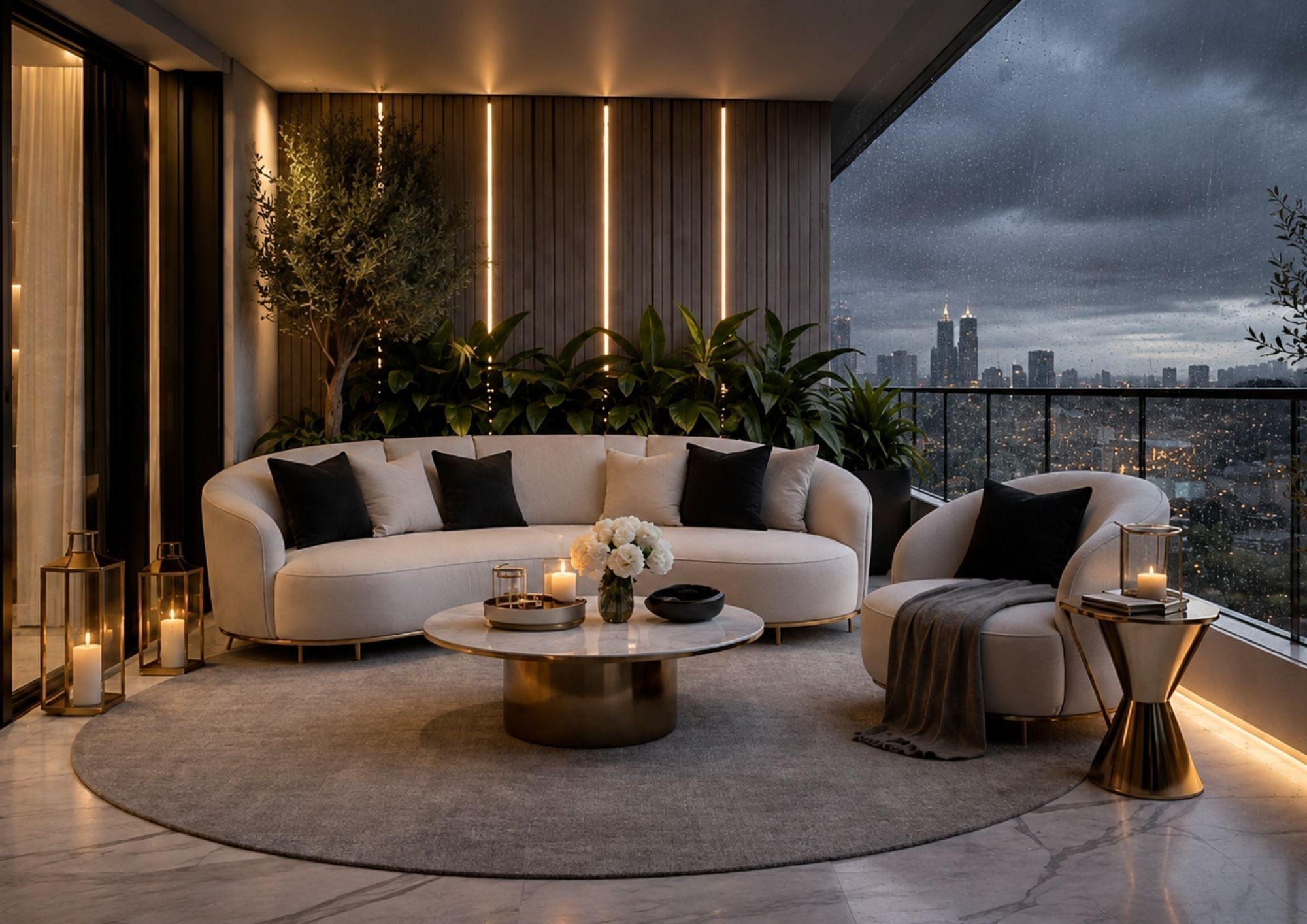
For example, a modern luxury sofa set arranged around a central focal point often creates a much warmer atmosphere than seating pushed against distant walls. People naturally interact more when they feel part of the same space.

The Role of Balance
Psychologically, humans tend to appreciate balance. This doesn't necessarily mean perfect symmetry. In fact, homes that feel too symmetrical can sometimes appear formal and rigid. Instead, balance often comes from visual weight.
Consider a living room with:
- A substantial sofa on one side.
- A comfortable armchair on the other.
- A coffee table anchoring the centre.
- Accent pieces placed thoughtfully throughout.
The room feels stable without feeling staged. Balance gives the eye a place to rest.

Why Unused Space Matters
One of the most common misconceptions in home furnishing is that every area should be utilised. In reality, unused space contributes significantly to comfort.
It allows:
- Easier movement.
- Visual clarity.
- Furniture to breathe.
- Important pieces to stand out.
This doesn't mean leaving rooms incomplete. It means understanding that restraint often creates a stronger impact than excess. Homes that instantly feel luxurious frequently embrace this principle. Not because they have less furniture, but because every piece has enough space to perform its role effectively.

Defining Zones Without Building Walls
Modern homes often feature open layouts where living, dining, and transitional spaces blend into one another. Furniture placement becomes the tool that defines these areas.
For example:
- A rug can establish a seating zone.
- A dining table signals where gatherings occur.
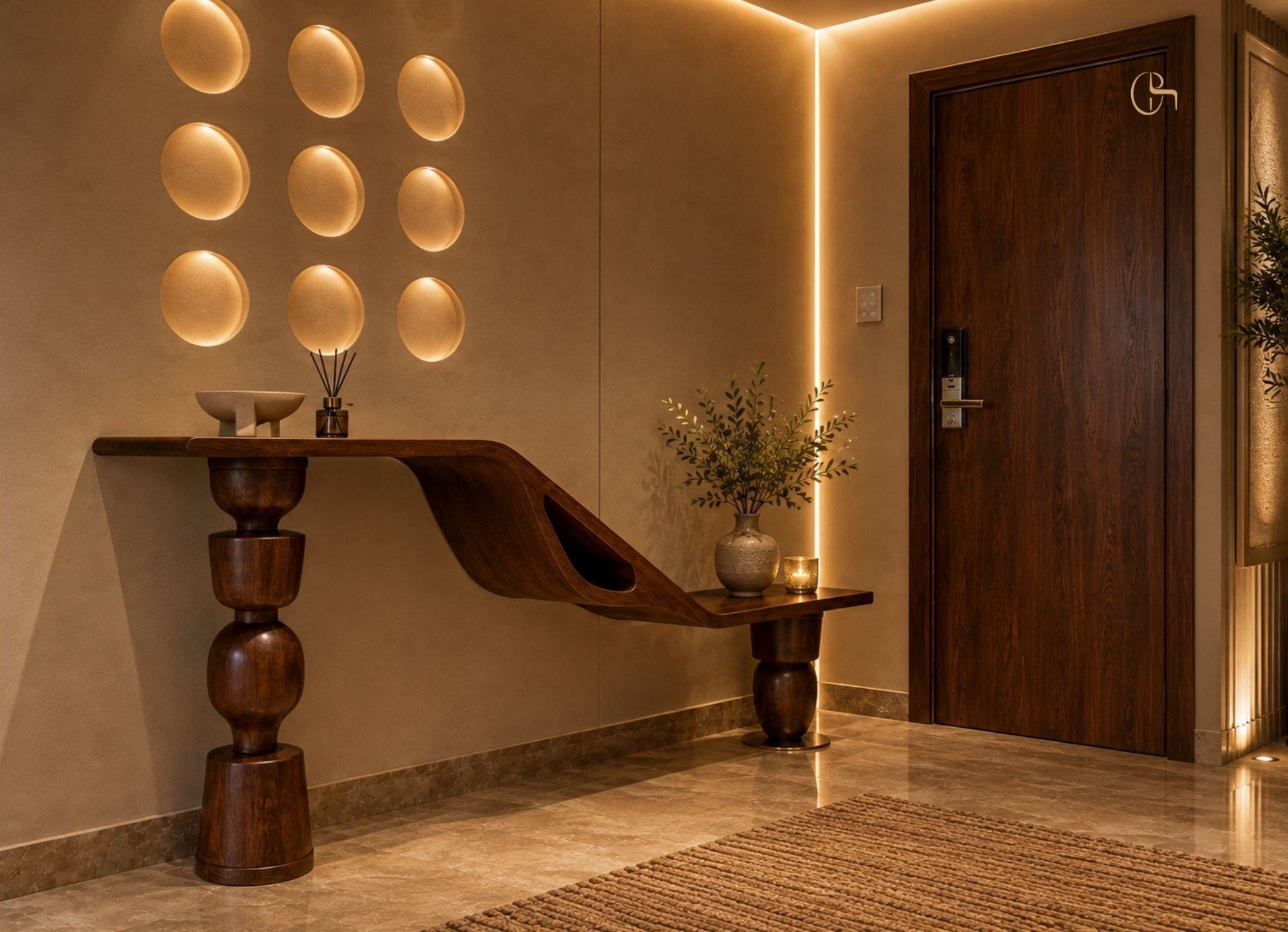
- Console tables can subtly define entryways.
- Accent seating can transition between spaces.
These cues help people understand how to use the home naturally. Good placement provides structure without creating separation.

Comfort Beyond Appearance
Many people assume that if a room photographs well, it must function well. The reality is often different. Some questions worth considering include:
- Can people comfortably reach a side table?
- Is there enough room to walk behind seating?
- Does everyone have a convenient place to sit?
- Can the room adapt to different situations?
Practical comfort usually has a greater impact on daily satisfaction than visual perfection. After all, homes are meant to be lived in, not simply admired.

Placement Reflects Lifestyle
No universal layout works for everyone. A young family may prioritise openness and flexibility. Someone who entertains frequently may prefer conversation-focused seating. Others may value quiet corners for reading and reflection. This is why understanding your routines matters. Ask yourself:
- How do people typically gather here?
- Which spaces are used most often?
- What activities happen regularly?
- Where do people naturally gravitate?
The answers reveal far more than design trends ever will.

The Emotional Impact of Thoughtful Spaces
Perhaps the most interesting aspect of furniture placement is how little people consciously notice it. Guests rarely comment on circulation paths or seating distances.
Instead, they say things like:
- "Your home feels so welcoming."
- "I love spending time here."
- "It's just so comfortable."
What they're responding to isn't simply the furniture. They're responding to how the space makes them feel. Thoughtful placement quietly supports those emotions.

Final Thoughts
The psychology of furniture placement isn't about following rigid formulas. It's about understanding that homes influence us in subtle ways. The distance between chairs, the openness of a walkway, the arrangement of seating — all of these shape how we move, connect, and relax. Beautiful furniture certainly matters. So does quality furniture that supports everyday life. But comfort often emerges from something less obvious.
It comes from arranging a home with people in mind. Whether you're furnishing an entirely new space or refining an existing one after visiting a furniture shop in Surat, the most successful layouts are rarely the most complicated. They're simply the ones that make people want to stay a little longer.

FAQs
1. Why does furniture placement affect comfort?
Furniture placement influences movement, interaction, and how naturally people use a space, all of which contribute to overall comfort.
2. Should furniture always be placed against walls?
Not necessarily. Pulling furniture slightly inward often creates more inviting and conversationfriendly layouts.
3. Why is unused space important in a home?
Unused space improves movement, reduces visual clutter, and allows furniture to feel intentional.
4. How can I make my living room feel more welcoming?
Focus on conversation-oriented seating, clear pathways, and balanced furniture arrangements.
5. Does symmetry always create better interiors?
No. Balanced layouts work well, but perfect symmetry can sometimes feel overly formal.
6. What is the first thing to consider when arranging furniture?
Think about how people move through the room and how the space is used daily before deciding on placement.
Share:
Round vs Rectangular Dining Tables: Which One Fits Your Home Better?
Creating a Home That Feels Collected, Not Decorated